
Most people who know the ABET name connect it with engineering, and most of its accredited programs are engineering programs. But the accreditor also reviews a set of degrees that sit next to engineering in the workplace: surveying and geomatics, occupational safety, industrial hygiene, health physics, construction management, environmental science and a handful of others. Those programs are reviewed against ABET's criteria for applied and natural science programs, and the 2026-27 edition lists exactly which fields have their own program criteria.
For a student comparing a surveying or safety degree, or a department weighing whether to seek accreditation, the list answers a practical question: is there an ABET standard written for this field at all, and at which degree levels?
The ten fields with their own program criteria
ABET's 2026-27 applied and natural science criteria carry program criteria for ten areas, each written with a lead professional society that supplies the field's expertise:
- Construction management, led by the Construction Management Association of America, at the bachelor's and master's levels.
- Data science, data analytics and similarly named programs, led by CSAB, at the bachelor's level. (Data science also has program criteria under ABET's computing criteria, so a data science program can be reviewed in either setting depending on how it is built.)
- Environmental, health and safety, with AIHA and the American Society of Safety Professionals as co-leads, at the bachelor's and master's levels.
- Environmental science, led by the American Academy of Environmental Engineers and Scientists, at the bachelor's level.
- Facility management, led by IFMA, at the associate, bachelor's and master's levels.
- Geology and geological science, led by SME, at the bachelor's level.
- Health physics, led by AIHA with the American Nuclear Society cooperating, at the bachelor's and master's levels.
- Industrial hygiene, led by AIHA with the environmental engineers' academy cooperating, at the bachelor's level, with master's admission requirements.
- Safety, led by the American Society of Safety Professionals, at the associate, bachelor's and master's levels.
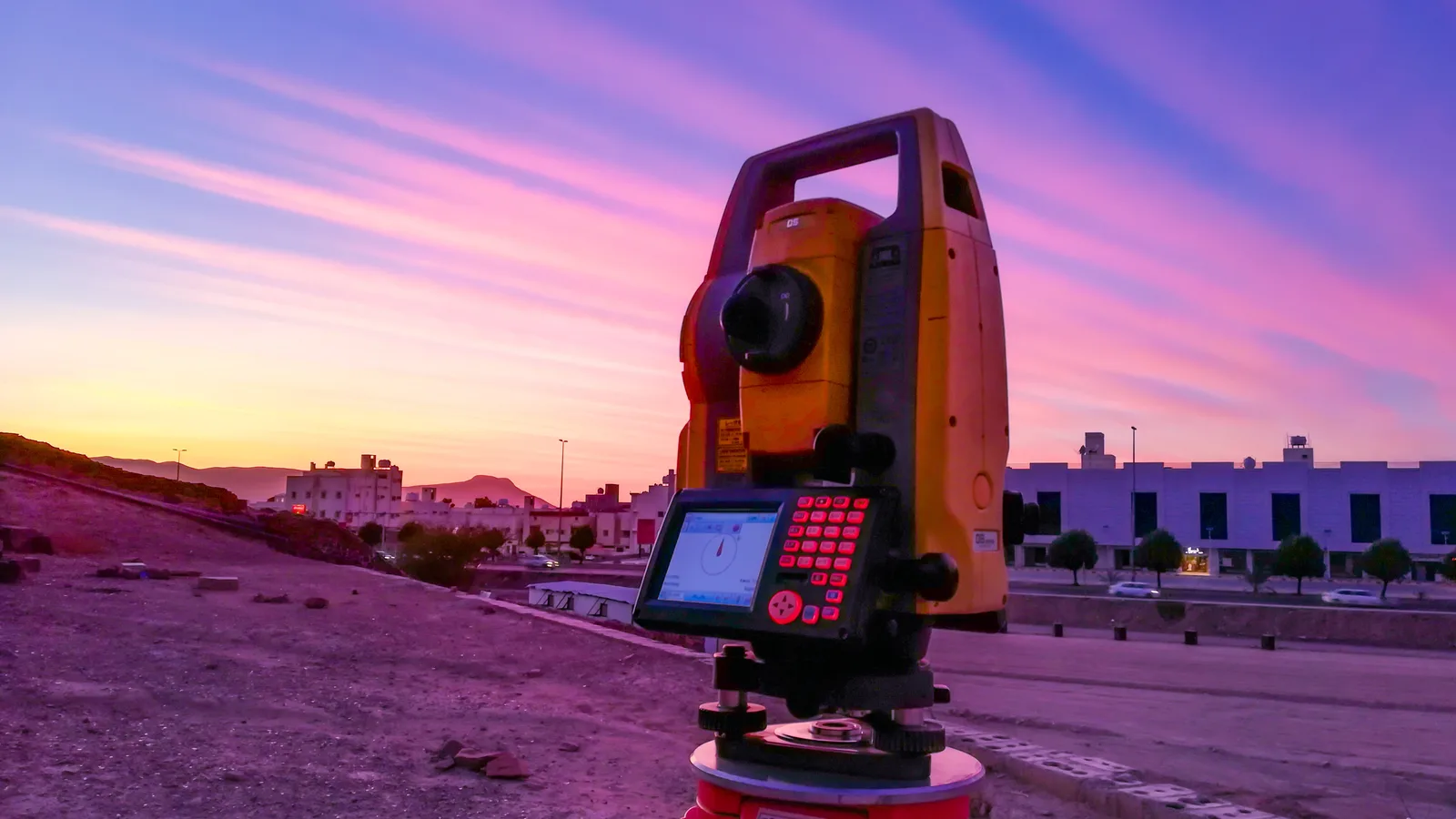
- Surveying and geomatics, led by the National Society of Professional Surveyors with ASCE cooperating, at the associate and bachelor's levels.
A program whose title fits one of these areas has to meet both the general criteria and that area's program criteria. A program in an applied or natural science field with no program criteria of its own is reviewed against the general criteria alone.
What every program in this group has to show
The general criteria follow the same eight headings ABET uses elsewhere: students, program educational objectives, student outcomes, continuous improvement, curriculum, faculty, facilities and institutional support.
The student outcomes differ by level. A bachelor's program must show that graduates can do six things: solve broadly defined technical or scientific problems, design a system, process, procedure or program, run experiments and draw conclusions from the data, communicate with a range of audiences, understand the ethical, professional and wider societal effects of their work, and work on teams that set goals, manage deadlines and weigh risk. An associate program has five outcomes, centered on solving problems, running experiments, teamwork, professional responsibility and communication.
The curriculum criterion does not set a credit-hour minimum for mathematics and science in this group, which is one place it differs from ABET's engineering criteria. Instead it requires college-level mathematics and sciences, some with laboratory or experimental work, advanced technical or scientific topics suited to the field, and a general education component. A bachelor's program must end in a comprehensive project or experience.
The master's level
Master's programs in this group must meet all of the bachelor's criteria plus at least one year of study beyond the bachelor's degree and a project or research activity that ends in a report. Six of the ten fields (construction management, environmental health and safety, facility management, health physics, industrial hygiene in its admission requirements, and safety) have master's-level program criteria.
Why the commission matters to a graduate
Licensing boards and certifying bodies in these fields set their own education rules and decide for themselves which degrees count, so the accreditation status of a program is one fact to check against those rules, not a guarantee of eligibility for any license or certification.
How to check a specific program
ABET's public Accredited Program Search lists every accredited program with its exact name, its commission and the date accreditation began. Search the institution, confirm that the program name on the listing matches the degree you are considering, and look at the commission named beside it. If a program does not appear there, it is not ABET accredited, whatever a brochure says.
Loading comments…